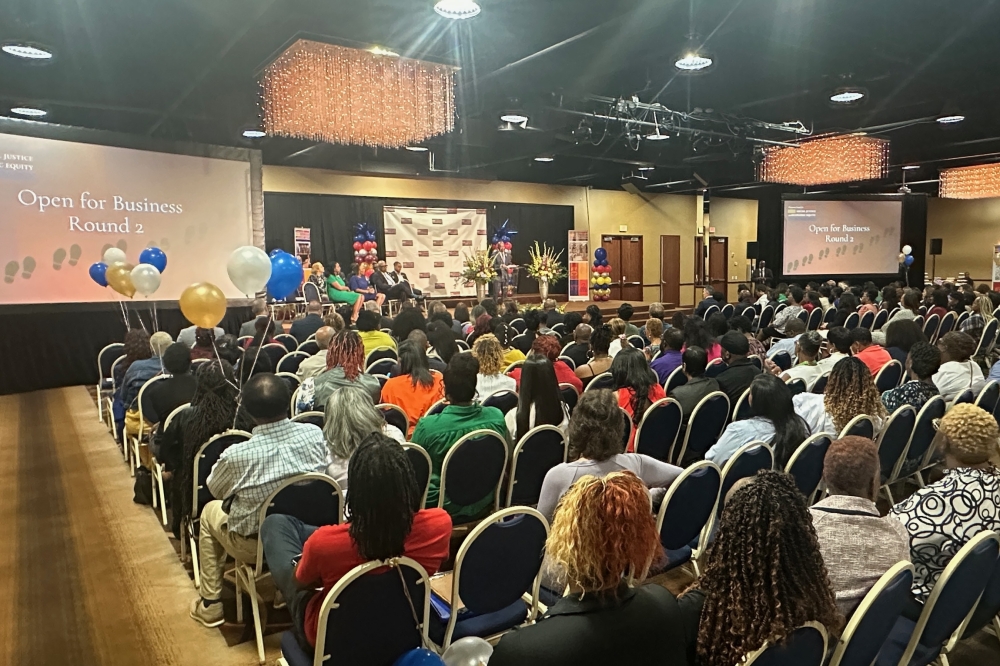
Houston’s entrepreneurial ecosystem thrives on diversity, innovation, and the relentless spirit of its business community. As the fourth-largest city in the United States and an economic powerhouse generating over $490 billion in gross domestic product annually, Houston offers a wealth of funding opportunities for businesses at every stage of development. From early-stage startups to established enterprises seeking expansion capital, the Bayou City’s financial landscape presents numerous pathways to secure the resources needed for growth.
Understanding Houston’s Economic Landscape
The city’s economy extends far beyond its reputation as the energy capital of the world. While oil and gas remain significant contributors, Houston has successfully diversified into aerospace, biotechnology, healthcare, manufacturing, and international trade. This economic variety creates unique funding opportunities tailored to specific industries and business models.
The Port of Houston ranks first in the United States for foreign waterborne tonnage and connects businesses to global markets. The Texas Medical Center stands as the largest medical complex in the world, fostering innovation in healthcare and life sciences. NASA’s Johnson Space Center anchors the aerospace industry, while a burgeoning tech scene continues to attract venture capital and entrepreneurial talent.
Federal Grants and Programs
Small Business Administration (SBA) Resources
The SBA operates multiple programs designed to help Houston entrepreneurs access capital. While the SBA doesn’t typically provide grants directly to for-profit businesses, it offers loan guarantees that make conventional financing more accessible. The 7(a) loan program provides up to $5 million for working capital, equipment purchases, and real estate acquisition. The 504 loan program focuses specifically on fixed assets like buildings and machinery.
The SBA’s Microloan program deserves particular attention from early-stage businesses. These loans range up to $50,000 and come with technical assistance to help entrepreneurs succeed. Houston hosts several intermediary lenders authorized to distribute these funds, including LiftFund and the Houston Area Urban League.
Small Business Innovation Research (SBIR) and Small Business Technology Transfer (STTR)
Houston’s strong presence in technology, aerospace, and healthcare makes it ideal territory for SBIR and STTR grants. These competitive programs award funding to small businesses engaged in research and development with commercial potential. Federal agencies including NASA, the Department of Energy, and the National Institutes of Health allocate billions annually through these channels.
Phase I awards typically provide $50,000 to $250,000 for feasibility studies and proof-of-concept work. Phase II awards range from $750,000 to $2 million for continued development. Companies near Johnson Space Center or within the Texas Medical Center ecosystem should prioritize these opportunities.
Economic Development Administration (EDA) Grants
The EDA provides funding for projects that promote economic development and job creation. While these grants typically flow to nonprofits, municipalities, and universities, businesses can benefit through partnership arrangements. The University of Houston and Rice University frequently collaborate with companies on EDA-funded initiatives.
State-Level Funding Programs
Texas Enterprise Fund
The Texas Enterprise Fund represents one of the largest “deal-closing” funds in the nation. This program provides financial incentives to businesses considering major projects in Texas. While competitive and typically reserved for larger operations, companies planning significant expansions or relocations to Houston should explore this option. Awards have historically ranged from $1 million to over $50 million for projects creating substantial employment.
Texas Small Business Credit Initiative
The State Small Business Credit Initiative channels federal money to increase access to capital for small businesses. Texas distributes these funds through various programs, including loan participation and collateral support programs that help businesses qualify for conventional financing they might otherwise be unable to secure.
Governor’s University Research Initiative
For businesses engaged in collaborative research with Texas universities, the Governor’s University Research Initiative provides matching funds to attract distinguished researchers to the state. These partnerships can lead to technology transfer opportunities, enhanced research capabilities, and access to university resources.
Houston-Specific Programs
Houston Exponential (HX)
Houston Exponential serves as the city’s entrepreneurial hub, connecting startups with resources, mentorship, and funding opportunities. While HX doesn’t provide direct grants, it coordinates The Artemis Fund, which invests in women-led businesses, and connects entrepreneurs with Houston’s growing network of angel investors and venture capitalists.
Greater Houston Partnership
The Greater Houston Partnership operates several initiatives supporting business growth. Their International Trade program helps companies access export financing and grants through organizations like the U.S. Export-Import Bank and the Trade and Development Agency. Manufacturing businesses can benefit from technical assistance that positions them for federal manufacturing grants.
Houston Minority Business Development Agency Business Center
The MBDA Business Center in Houston provides specialized support for minority-owned businesses, including assistance identifying and applying for grants. The center maintains relationships with corporate partners offering supplier diversity programs and connects businesses to certification opportunities that unlock additional funding sources.
Industry-Specific Opportunities
Energy and Clean Technology
Houston’s energy sector creates unique funding opportunities. The Department of Energy offers numerous grant programs for innovative energy technologies, from carbon capture to renewable energy systems. The Texas State Energy Conservation Office administers programs supporting energy efficiency improvements.
The Houston Advanced Research Center (HARC) partners with businesses on environmental research projects and can facilitate connections to federal environmental grants. Companies developing clean technology solutions should explore the Advanced Research Projects Agency-Energy (ARPA-E), which funds transformational energy technologies.
Healthcare and Life Sciences
The Texas Medical Center’s Innovation Institute provides funding and support for healthcare startups. The TMCx accelerator offers companies up to $50,000 in seed funding, along with mentorship and access to the medical center’s extensive network. The Cancer Prevention and Research Institute of Texas (CPRIT) awards grants for cancer research and prevention, with many opportunities for commercial partnerships.
The National Institutes of Health operates several grant programs accessible to Houston’s biotech companies. The Small Business Health Care Tax Credit can significantly reduce costs for companies providing health insurance to employees, effectively functioning as a financial subsidy.
Manufacturing
The Manufacturing Extension Partnership, operating through the Texas Manufacturing Assistance Center (TMAC), helps manufacturers improve operations and access funding. TMAC provides consulting services that can position companies for federal manufacturing grants, including those focused on workforce development and equipment modernization.
The Defense Logistics Agency and other Department of Defense entities offer contracting opportunities that, while not traditional grants, provide reliable revenue streams for qualified manufacturers. Houston’s aerospace manufacturing sector particularly benefits from these relationships.
Technology and Innovation
The Houston Technology Center offers programs supporting tech startups, though it primarily focuses on mentorship and connections rather than direct grants. However, it serves as a gateway to venture capital and angel investment networks active in Houston.
The National Science Foundation offers numerous grant programs for technology companies engaged in fundamental research. The Houston area’s universities frequently seek industry partners for NSF-funded projects, creating collaborative funding opportunities.
Nonprofit and Foundation Grants
Houston Endowment
Houston Endowment, one of the nation’s largest private foundations, primarily funds nonprofit organizations but occasionally supports social enterprises and businesses with strong community impact components. Companies addressing education, arts, or community development might find alignment with their priorities.
Houston Angel Network
The Houston Angel Network connects accredited investors with startups seeking early-stage capital. While this represents investment rather than grants, the network provides crucial funding for companies that don’t yet qualify for venture capital or traditional financing.
Community Development Financial Institutions (CDFIs)
Several CDFIs operate in Houston, offering financing to underserved communities and businesses that struggle to access conventional capital. LiftFund, Accion Texas, and the Gulf Coast Small Business Development Center maintain active lending programs with terms more favorable than traditional banks.
Workforce Development Funding
Skills Development Fund
Texas Workforce Commission’s Skills Development Fund provides grants to partnerships between businesses and community colleges for customized job training. Companies planning to hire and train workers can access substantial funding through this program. Awards typically range from $50,000 to several million dollars for larger projects.
Work Opportunity Tax Credit (WOTC)
The WOTC provides tax credits to businesses hiring individuals from targeted groups facing employment barriers. While technically a tax credit rather than a grant, it functions as a financial incentive for workforce expansion. Credits range from $2,400 to $9,600 per eligible employee.
Real Estate and Facilities Funding
Historic Preservation Tax Credits
Houston’s historic districts offer opportunities for businesses rehabilitating qualifying properties. Federal historic preservation tax credits provide up to 20% of rehabilitation costs, while Texas offers additional state credits. These programs particularly benefit businesses establishing operations in downtown Houston or the Heights.
Tax Increment Reinvestment Zones (TIRZs)
Houston operates multiple TIRZs that provide financial incentives for development in designated areas. While these primarily benefit real estate developers, businesses locating within these zones can access reduced costs and infrastructure improvements funded through these mechanisms.
Application Strategies and Best Practices
Securing grant funding requires strategic planning and meticulous preparation. Most successful applicants share common characteristics: clear business plans, detailed financial projections, and compelling narratives explaining how funding will drive growth and create value.
Documentation matters tremendously. Grant providers scrutinize financial statements, tax returns, and operational metrics. Businesses should maintain organized records and prepare materials that demonstrate fiscal responsibility and growth potential.
Networking within Houston’s business community opens doors to funding opportunities. Organizations like the Houston Small Business Development Center, SCORE Houston, and the Greater Houston Black Chamber provide guidance and connections. Attending pitch competitions, industry conferences, and entrepreneurial events builds relationships with potential funders.
Many grants require matching funds or demonstrate that other investors have confidence in the business. Securing angel investment or bank financing before applying for grants strengthens applications considerably.
Common Pitfalls to Avoid
Entrepreneurs often stumble by applying for grants without carefully reviewing eligibility requirements. Each program maintains specific criteria regarding business size, industry, location, and intended use of funds. Submitting ineligible applications wastes time and creates negative impressions.
Underestimating the application timeline creates unnecessary stress. Most competitive grants require weeks or months to prepare compelling applications. Rushing through applications produces subpar results.
Failing to follow application instructions precisely often leads to disqualification. Grant providers receive numerous applications and use strict criteria to screen candidates. Missing documents, exceeding word counts, or ignoring formatting requirements provide easy justification for rejection.
Looking Forward
Houston’s funding landscape continues evolving as the city diversifies its economy and strengthens its entrepreneurial ecosystem. The COVID-19 pandemic accelerated several trends, including increased focus on digital transformation, remote work infrastructure, and healthcare innovation.
Climate change concerns and the energy transition create new funding opportunities for businesses developing sustainable solutions. Houston’s position as the energy capital gives local companies advantages in accessing clean energy grants and attracting impact investors focused on environmental, social, and governance criteria.
The city’s growing venture capital community, exemplified by firms like Goose Capital and Mercury Fund, supplements traditional grant programs with equity investments. This blended capital approach provides entrepreneurs with multiple pathways to funding.
Houston’s diverse population creates opportunities for businesses targeting demographic-specific programs. Women-owned businesses, veteran-owned enterprises, and minority entrepreneurs can access specialized funding programs that recognize both the challenges these groups face and their economic potential.
Building Your Funding Strategy
Successful entrepreneurs approach funding strategically, creating diverse capital stacks that blend grants, loans, equity investment, and revenue. Grants work best as components of comprehensive financial strategies rather than sole funding sources.
Start by assessing your business’s funding needs, timeline, and capacity to meet grant requirements. Some grants demand significant reporting and compliance efforts that strain small teams. Evaluate whether the funding justifies the administrative burden.
Develop relationships with economic development professionals, grant consultants, and fellow entrepreneurs who have successfully navigated the funding landscape. Their insights prevent costly mistakes and reveal opportunities that aren’t widely publicized.
Houston offers abundant opportunities for businesses willing to invest time and effort into securing grants and funding. The city’s commitment to economic development, combined with federal and state programs supporting entrepreneurship, creates an environment where determined business owners can access the capital needed to build thriving enterprises. Success requires persistence, preparation, and strategic thinking, but the resources exist for those ready to pursue them.